ATTEND THE MARCH 12, 2026 CONSERVATION COMMISSION MEETING
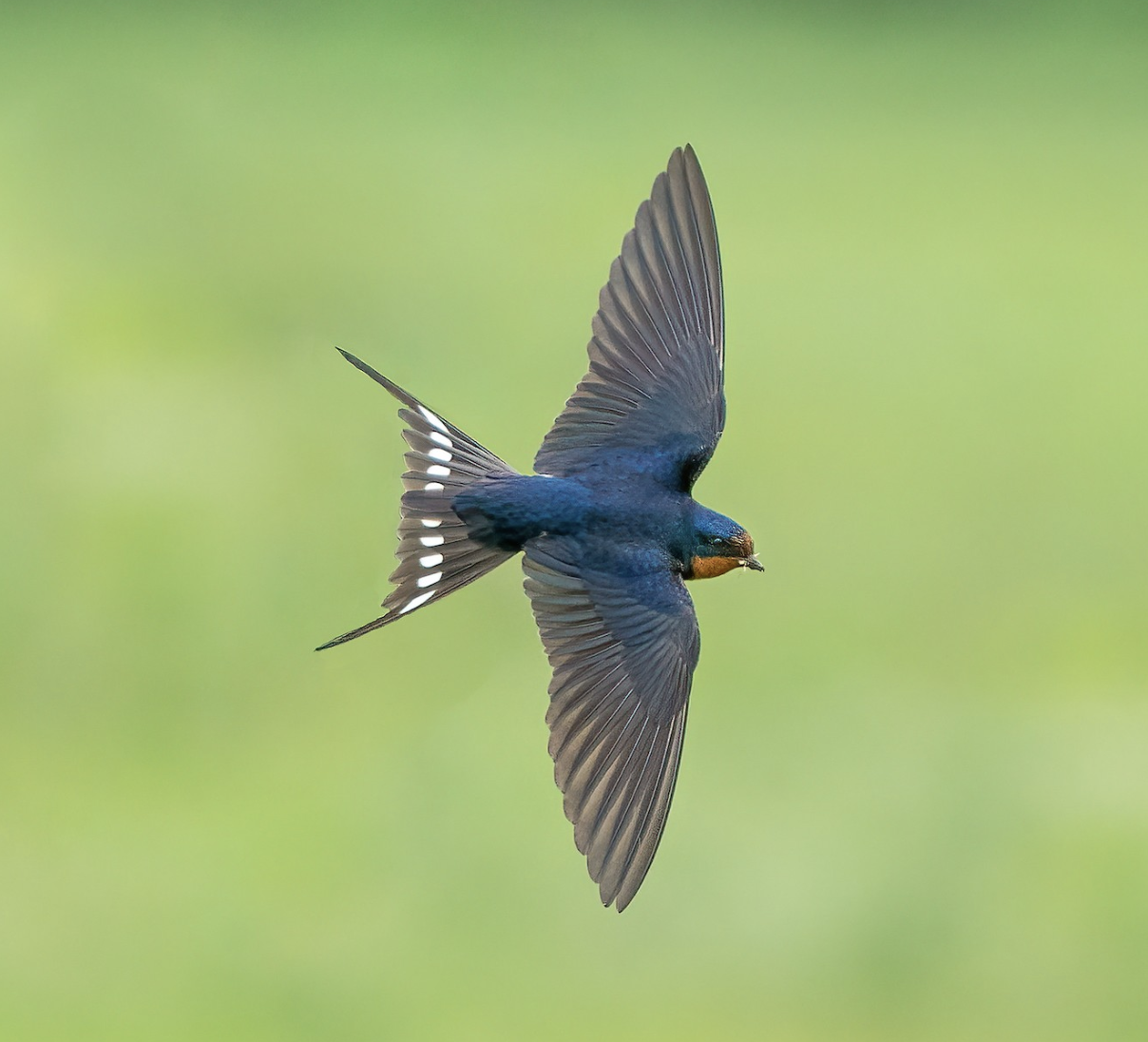
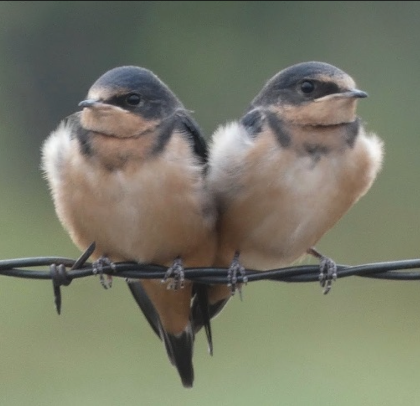
The Goss Farm barn swallows have lost their historic nesting site.
In April, approximately 30 nesting barn swallow pairs will return to the Goss Barn after migrating from South America. Swallow scientists noted that this colony is unique for both its size and its decades long loyalty to the Goss Barn. The Rye Conservation Commission (RCC) has decided to block the birds from entering the barn this year, which will prevent nesting and ultimately result in the extinction of this colony.
The RCC purchased the barn and property in 2010 with Open Space funds and federal funds that require that the barn be used for agricultural purposes. Despite this, the RCC now plans to exclude the swallows from the barn – even though federal data shows an approximately 80% decline in New Hampshire’s barn swallow population over the past 50 years.
RCC claim: Swallows are a nuisance and make a mess
Facts: Barn Swallows are aerial insectivores that eat flying insects, including those carrying West Nile Virus, EEE and Jamestown Canyon Virus. Since 2010, volunteers have successfully managed swallow droppings by placing newspaper and tarps under the nests.
RCC claim: Artificial nesting structures can take the place of the barn
Facts: These structures are costly and do not replace the loss of large barns as essential swallow habitat. Designs available online give the impression they are effective but offer no supporting data. A 2019 Bird Studies Canada study found that among 114 nesting structures built, only 7% of 1,750 artificial nest were occupied. Allowing the swallows back in the barn will cost Rye taxpayers nothing.
Threatening a steeply declining, valued species is in direct contravention of the Rye Master Plan (RYE 2035) in general and, in particular, the Rye Conservation Commission’s mission to protect our town’s natural resources.
Help Save Rye’s
Beautiful & Ecologically Valuable Swallows